




WHAT
Setting and recovering a gennaker is not rocket science. The attachment and sequence of the lines is important. Setting and recovering the gennaker safely and in a controlled manner with a small crew is the topic here.

Setting and recovering a gennaker is not rocket science. The attachment and sequence of the lines is important. Setting and recovering the gennaker safely and in a controlled manner with a small crew is the topic here.
Oliver Ochse has been working for over 25 years as a sailing instructor and sailing trainer on planing dinghies, small keelboats and regatta yachts.
I work with the following focal points:
- Sailing coach of the MasterClass on J 70 keelboats in Pollensa on Mallorca
- Trainer for gennaker and regatta training on the Archambault M 34 "Petit Chasseur"
- Skipper and crew training on owner yachts worldwide
- Skipper and trainer at regattas worldwide
- Personal trainer on owner yachts worldwide
- Moderation of water sports topics and specialist lectures at boat shows
- Trimming and technical seminars for sailing clubs


Setting and recovering a gennaker is not rocket science. The attachment and sequence of the lines when setting and recovering is important. Setting and recovering the gennaker safely and in a controlled manner with a small crew is the topic here.
Oliver Ochse has been working for over 25 years as a sailing instructor and sailing trainer on planing dinghies, small keelboats and regatta yachts.
I work with the following focal points:
- Sailing coach of the MasterClass on J 70 keelboats in Pollensa on Mallorca
- Trainer for gennaker and regatta training on the Archambault M 34 "Petit Chasseur"
- Skipper and crew training on owner yachts worldwide
- Skipper and trainer at regattas worldwide
- Personal trainer on owner yachts worldwide
- Moderation of water sports topics and specialist lectures at boat shows
- Trimming and technical seminars for sailing clubs


Setting and recovering the gennaker is not rocket science. The order of the lines is important. Setting and recovering the gennaker safely and in a controlled manner with a small crew is the topic here.
Oliver Ochse has been working for over 25 years as a sailing instructor and sailing trainer on planing dinghies, small keelboats and regatta yachts.
I work with the following focal points:
- Sailing coach of the MasterClass on J 70 keelboats in Pollensa on Mallorca
- Trainer for gennaker and regatta training on the Archambault M 34 "Petit Chasseur"
- Skipper and crew training on owner yachts worldwide
- Skipper and trainer at regattas worldwide
- Personal trainer on owner yachts worldwide
- Moderation of water sports topics and specialist lectures at boat shows
- Trimming and technical seminars for sailing clubs


Water is an extremely heat-conducting medium; it is not for nothing that engines are cooled with water.
A person cools down many times faster in water than in air.
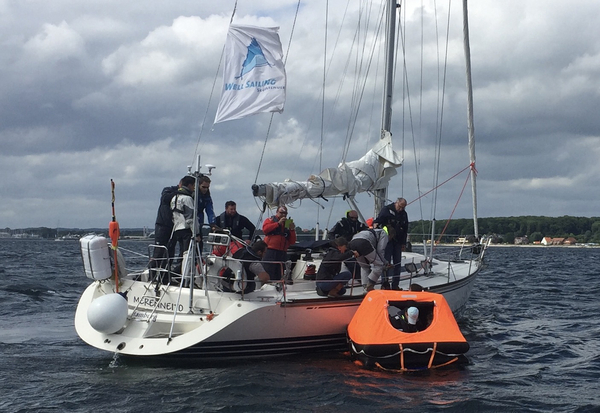
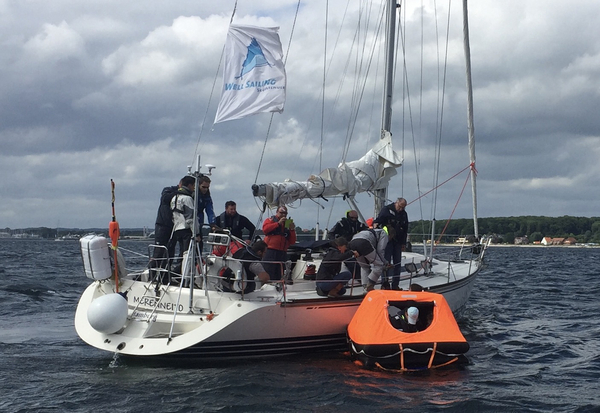
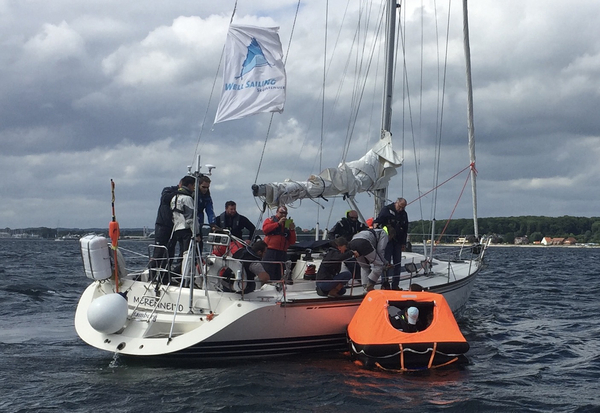
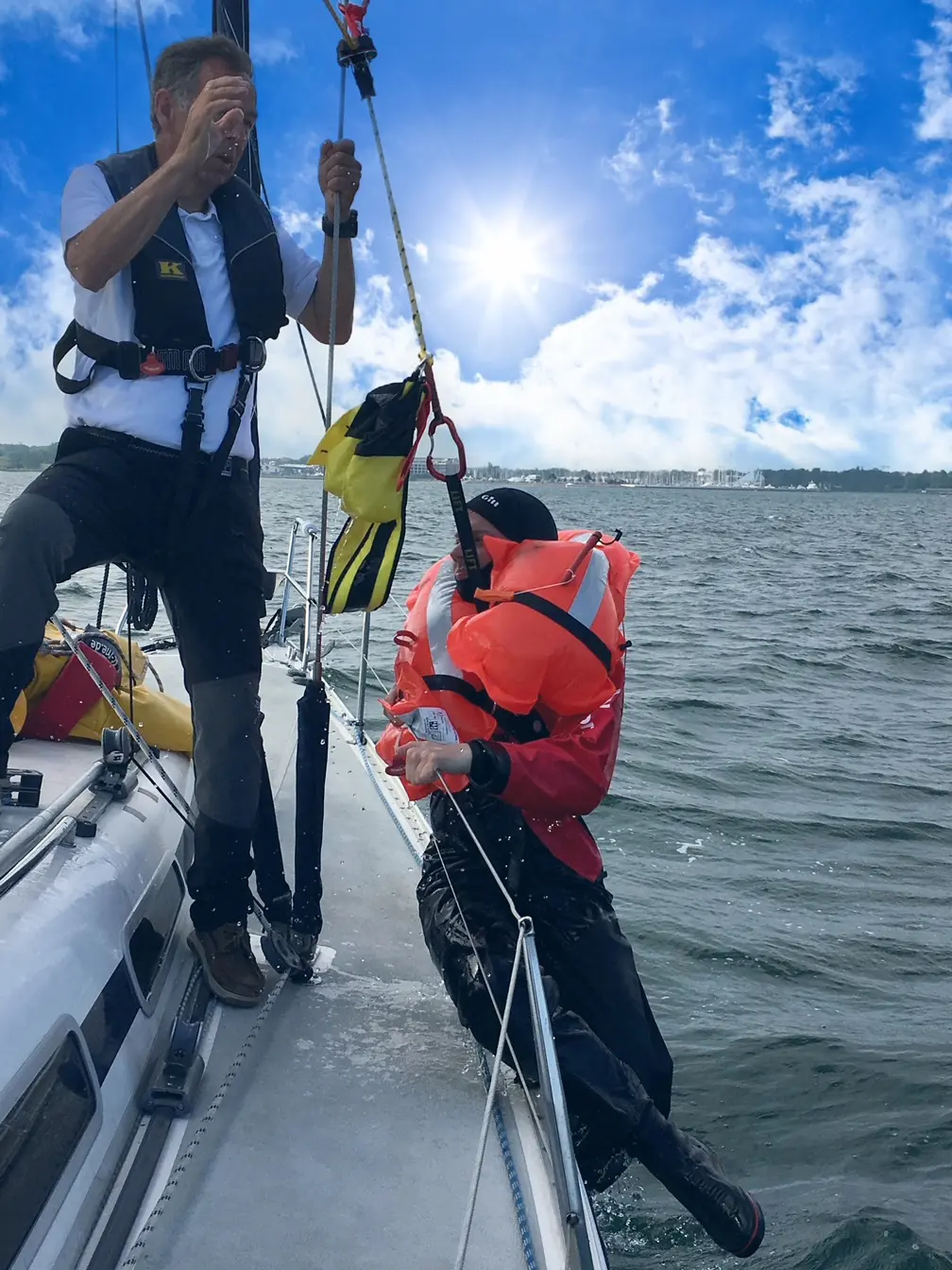
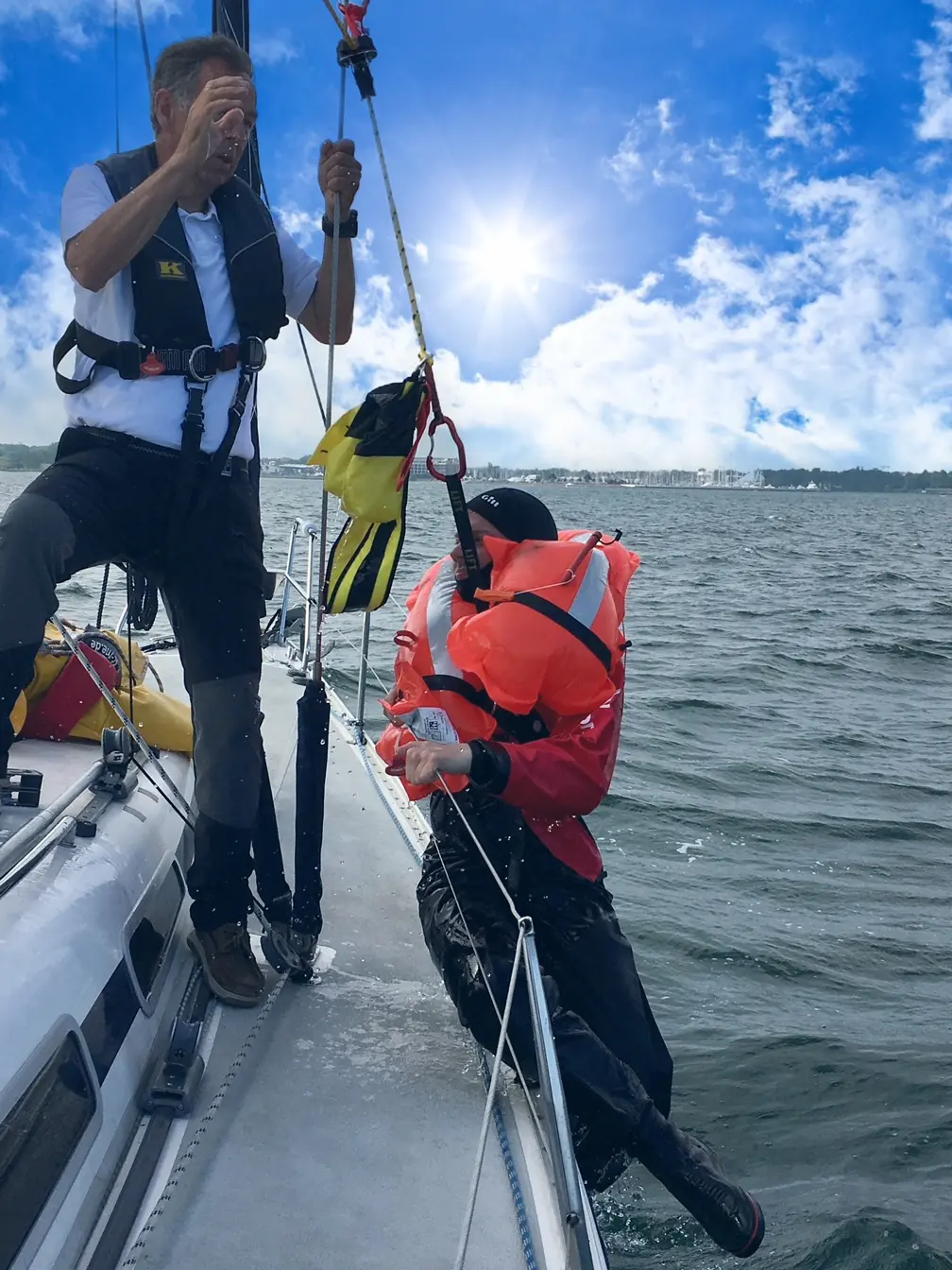
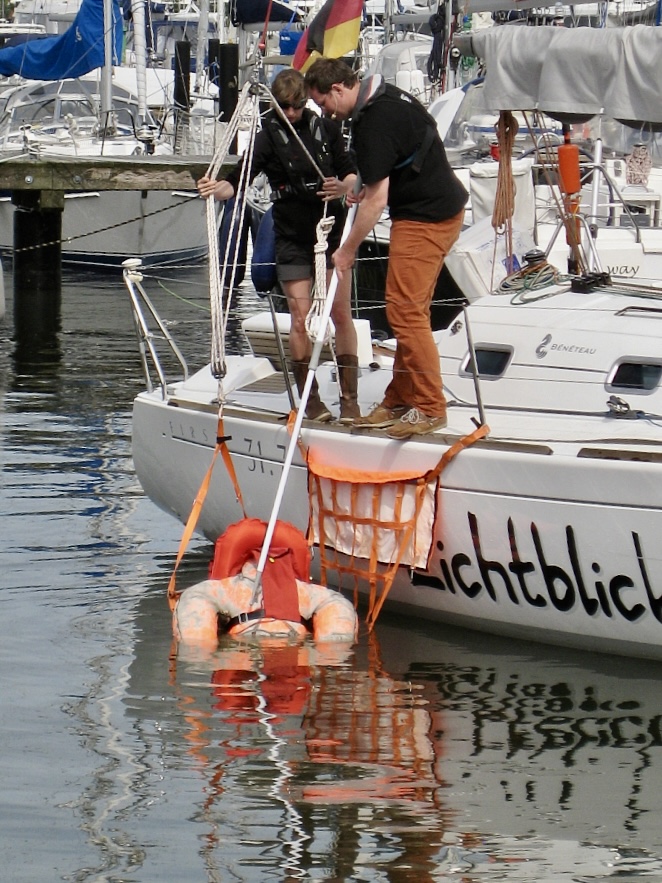
So if you have problems getting a MOB back on board, "temporary parking" in a life raft can significantly increase the chances of survival.
The most important thing is to get the person out of the water.
Head of sailing school Well Sailing


Water is an extremely thermally conductive medium,
It is not for nothing that engines are cooled with water.
People cool down up to 27 times faster in water than in air.
So if you have problems getting a MOB back on board, "temporary parking" in the life raft can significantly increase the chances of survival.
The most important thing is that man comes out of the water.
Management of Well Sailing School


Water is an extremely thermally conductive medium,
It is not for nothing that engines are cooled with water.
People cool down up to 27 times faster in water than in air.
So if you have problems getting a MOB back on board, "temporary parking" in the life raft can significantly increase the chances of survival.
The most important thing is that man comes out of the water.
Management of Well Sailing School


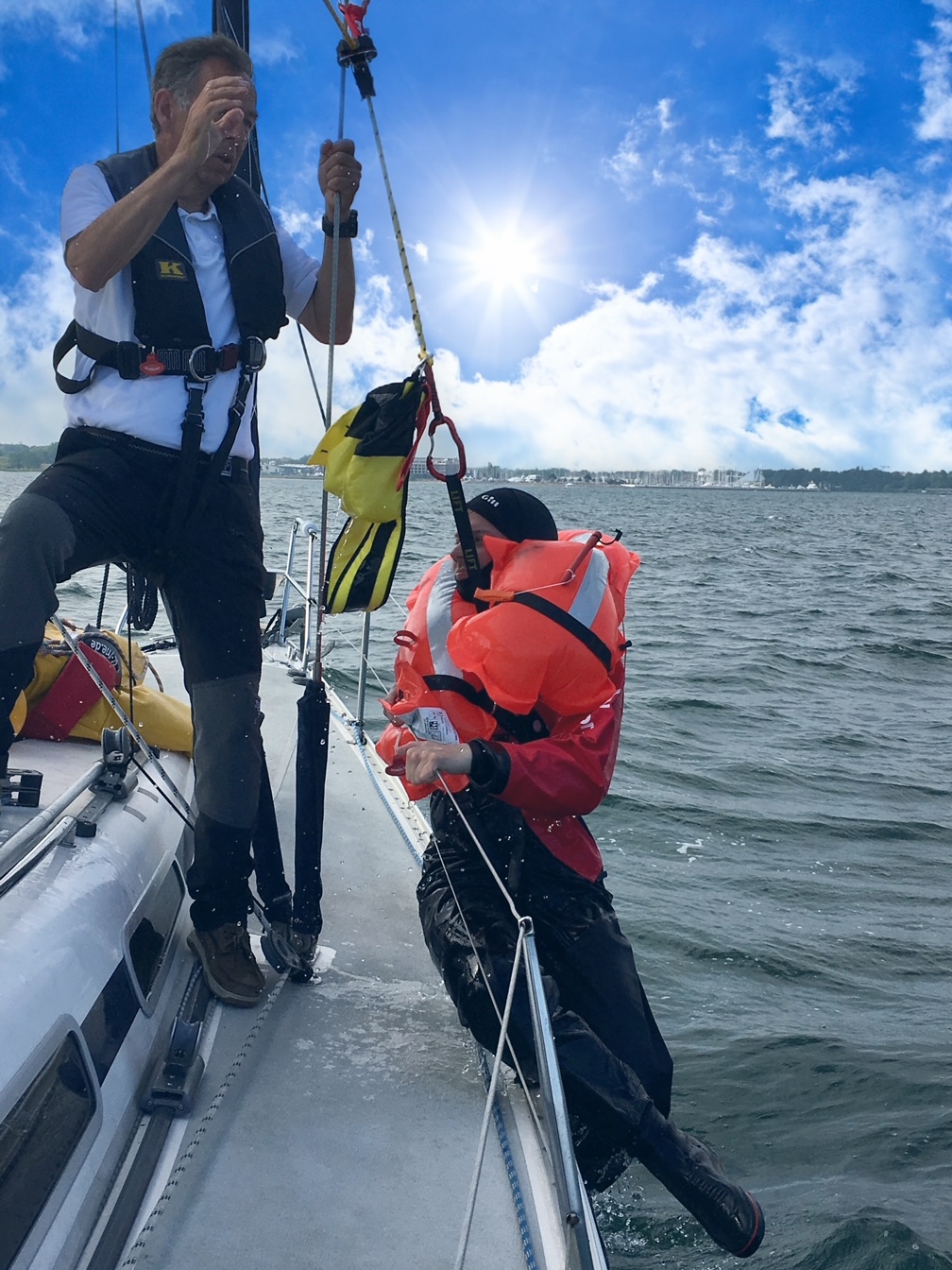
A life jacket protects its wearer from drowning and is therefore the most important lifesaver on board. After all, there are many ways to get into the water involuntarily. Another advantage: life jackets ensure that the person in the water independently turns to the supine position and thus keeps the head above water. This keeps the airways clear.


A life jacket protects its wearer from drowning and is therefore the most important lifesaver on board. After all, there are many ways to get into the water involuntarily. Another advantage: life jackets ensure that the person in the water independently turns to the supine position and thus keeps the head above water. This keeps the airways clear.


The widespread fear of port manoeuvres has a technical and a psychological/mental side. In our demonstration we would like to give you an idea of how it can be managed to get some calmness and composure into the procedures.
Mara Zapp is the director of the Well Sailing school and an experienced instructor not only for harbor maneuvers.
Mara will sail and comment on the maneuvers with her (small) crew.


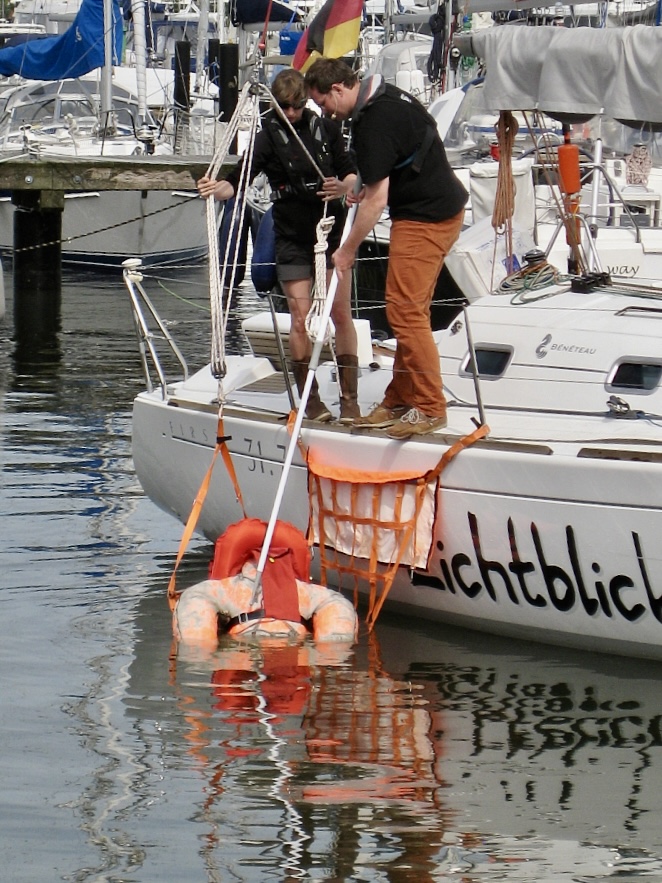
Never without! Life jacket. If a person should go overboard, the lifejacket and recovery options are of central importance. You will learn details about the construction, use and maintenance of your lifejacket, various recovery systems will be explained and practically demonstrated in the demonstration pool (Walden system) and in trips at sea (Catch and Lift system). For the excursions at sea, please register with us on the SY Carina in the registration list.


. Unfortunately, no entries were found. Please change your search criteria and try again.
Unfortunately, the API for the map service could not be loaded.